







Search Results for: Dawn Estate
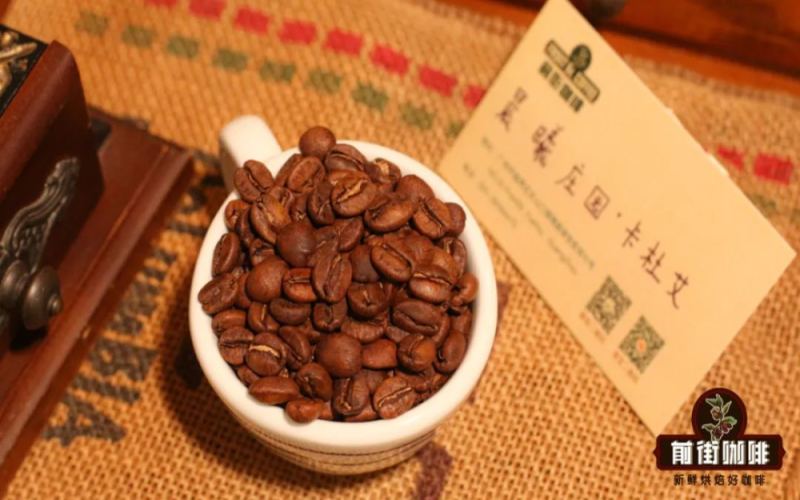
Costa Rica Dawn Estate Red Honey Catuai: Tarrazu Origin Flavor and Variety Analysis
In coffee cupping, sweetness is often the key to a higher score, and Costa Rica, with its diverse honey processing methods, has become a representative origin for high-quality sweetness. In this article, Front Street will focus on a red honey processed Catuai from Dawn Estate in the Tarrazu region of Costa Rica, breaking down everything from the estate's story, the terroir of Tarrazu, and the characteristics of the Catuai variety to the details of red honey processing. The estate is located at an altitude of 1,750 meters, surrounded by pristine green belts, and practices ecological principles through meticulous plot management. Through cupping records, we will present the sweet orange, cream, grapefruit, honey, and black tea flavors this bean displays in dry aroma and slurping, and share its flavor performance under a medium-light roast. [more…]
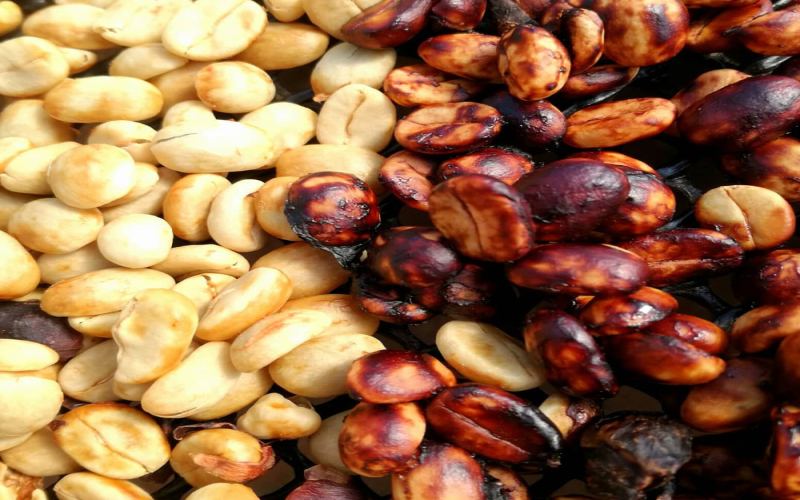
A Complete Guide to Honey Processing: The Processing Differences and Flavor Characteristics of White Honey, Red Honey, and Black Honey, with a Discussion of Costa Rica Front Street Coffee Morning Light Estate Red Honey Catuai
It's also honey processing, so why are some beans clean and bright, while others are wild like red wine? The key lies in the difference in the amount of mucilage retained and the frequency of turning. White honey is closest to washed, black honey is almost equivalent to natural, and red honey is right in between, becoming the most common honey color type on the market. This article will start with the processing method and break down the fermentation logic and flavor direction of white honey, yellow honey, red honey, and black honey one by one. Using Front Street Coffee's red honey processed Catuai from the Tarrazu region of Costa Rica as an example, it will take you from green beans and variety to cupping, so you can fully experience the sweetness and charm of honey processed coffee. [more…]

Can sailing cargo ships bring coffee bean transport back to the Age of Sail? A UK company's zero-carbon experiment
After the COVID-19 pandemic, consumers are paying increasing attention to the environmental friendliness of coffee—from green bean cultivation to the coffee in the cup, carbon emissions are being taken into account. Coffee-producing countries and consuming countries are mostly separated by oceans, and tens of thousands of tons of coffee beans rely on air or sea freight, making fossil fuels an unavoidable source of power. The British experimental company NEW DAWN TRADERS is trying to change this situation. They charter sailing ships, abandon fuel engines, and transport green coffee beans back to the UK from places like Colombia. The voyage lasts more than five months and covers about 7,000 nautical miles. Although it takes much longer, it significantly reduces carbon emissions. At the same time, Canada's Café William and Sailcargo are also building zero-emission sailing cargo ships, with plans to put them into operation in 2023. This article will review the glorious history of sailing cargo ships and explore the possibilities of this ancient mode of transportation in the modern coffee industry. [more…]
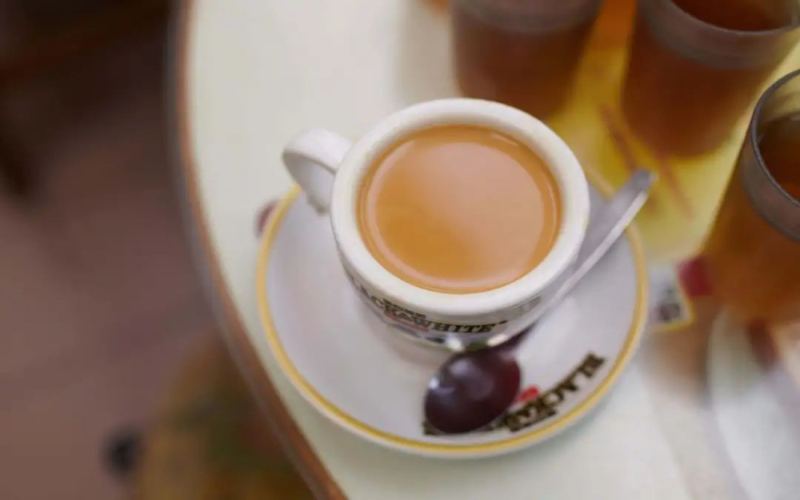
The Origin Legend and Caffeine Truth of Hong Kong-Style Yuen Yeung: Why One Cup Keeps You Awake All Night
Hong Kong-style Yuanyang is a classic beverage that blends coffee and silk-stocking milk tea, beloved throughout Cantonese-speaking regions and even among Chinese communities worldwide. Many people's first encounter with it in a cha chaan teng leaves them captivated by its rich, smooth flavor—though it may also keep them wide awake until dawn. Where exactly did this drink come from? Why is its caffeine content so astonishingly high? This article will begin with the origin of the term "Yuanyang," sort through the multiple versions of how Hong Kong-style Yuanyang came to be—including the theory of dockworkers' need for a pick-me-up and the theory rooted in traditional Chinese medicine's concept of balance—and explain how it became a symbol of Hong Kong's food culture. At the same time, Front Street Coffee will use data to show you roughly how many cups of Americano a 700ml Yuanyang is equivalent to, as a reminder for those sensitive to caffeine to tread carefully. [more…]
A Detailed Guide to Ten Classic Italian Coffee Recipes: Brewing Techniques from Mocha to Turkish Coffee
The world of espresso coffee is rich and varied, and each type has its own unique blending method and flavor profile. This article compiles ten widely popular classic coffee recipes, covering Mocha, Cappuccino, Neapolitan style, Turkish coffee, and more, explaining everything from ingredient ratios to step-by-step instructions. Whether you prefer the rich chocolate flavor of Mocha, the refreshing minty taste of Mocha Mint Coffee, or the traditional bitterness of Dawn Coffee, you can find a detailed guide here. Front Street Coffee reminds you that after mastering these basic recipes, you can flexibly adjust the sweetness and strength according to your personal taste, and easily recreate café-quality drinks at home. [more…]
A Detailed Guide to the World's Top Ten Classic Coffee Recipes: Flavor Characteristics and Brewing Methods from Mocha to Turkish Coffee
The world of coffee is rich and diverse, and every classic coffee carries the culinary culture and brewing wisdom of a different region. This article selects ten of the most popular classic coffees from around the world, including New York-style mocha, the mint mocha coffee beloved by Americans, the Italian classic cappuccino, tropical coconut cream coffee, Viennese-style blended coffee, dawn coffee that must be drunk in the morning in Naples, Russian-style hot mocha jaba, Indian warming coffee, Turkish coffee full of fortune-telling fun, and refreshing layered American iced cream cube coffee. Each coffee comes with detailed preparation methods, covering everything from ingredient ratios to decorative details. Whether you are a beginner just getting into pour-over or a seasoned enthusiast devoted to espresso, you can find the cup that suits you here. Front Street Coffee will also recommend classic products worth trying. [more…]
Starbucks and Nestlé's Yunnan coffee supply chain labor practices face independent investigation, certification system questioned
Recently, two labor monitoring organizations released reports stating that during field investigations in Yunnan Province, China, they found that coffee farms in the supply chains of Starbucks and Nestlé may have situations that do not meet certification requirements. The reports revealed the so-called "ghost farms" and "coffee laundering" model—small family farms informally supply coffee beans to large certified estates, resulting in labor practices that may violate the terms of Starbucks C.A.F.E. Practices and Nestlé's 4C certification. Through undercover interviews, investigators found that farm workers are paid by picking weight, often needing to work from dawn to dusk, seven days a week, lacking paid leave, protective equipment, and contract protection. Both Starbucks and Nestlé stated they will seriously investigate and take necessary measures. [more…]

Starbucks × Mayday StayReal Collaboration Sparks Buying Frenzy, Fans Queue Overnight for Limited-Edition Merchandise
Starbucks partnered with Stayreal, the streetwear brand co-founded by Mayday lead singer Ashin and Taiwanese artist No2Good, instantly igniting the enthusiasm of the band's fans and netizens alike. The online limited-edition themed cups were snapped up by tens of thousands of people the moment they went on sale, with the official app and mini-program lagging due to overwhelming traffic. Some users failed to complete payment and missed out on the cups they wanted, sparking complaints. Meanwhile, the limited-edition Starbucks gift sets released at physical stores, thanks to their relatively low threshold for acquisition, attracted a large number of fans who queued up with stools in the early hours of the morning. This collaboration craze showcased the fans' frenzy while also exposing the inadequate capacity of online channels and the controversy over offline queuing rules. [more…]

Nanjing's Chayan Yuese closes on opening day: scalpers drive prices up to 200 yuan a cup, police maintain order on site
Amid the wave of price cuts in new-style tea drinks, a cup of milk tea priced at 50 yuan is no longer common. However, on the opening day of Chayan Yuese's first store in Nanjing, scalpers were reselling cups for as much as 200 yuan, with people lining up as early as 4:30 a.m., and related topics quickly trended on Weibo. Due to excessive crowds and chaotic order, the Xinjiekou store posted a sold-out notice and closed its entrance just five minutes before its official opening, while the Jiangning Jingfeng store continued operating. Police dispatched officers to maintain order and persuade citizens to leave. On some trading platforms, proxy purchasing and queuing services appeared, priced between 10 and 200 yuan. The Nanjing Market Supervision Bureau made it clear that scalping is illegal. People's Daily Online called on consumers to treat internet-famous brands rationally and not be led by merchants and scalpers. [more…]

Queuing in long lines on a cold winter morning just for a bottle of perfume? Manner's collaboration with Jo Malone sparks a buying frenzy in 7 cities.
On a cold, windy weekend morning—the kind of day meant for sleeping in until you wake up naturally—hundreds of people were already queuing for hundreds of meters outside Manner stores in several cities across China before dawn. Seven Gingerbread Man–themed stores in Shanghai, Shenzhen, Chengdu, Nanjing, Hangzhou, and elsewhere attracted a large crowd of young people to get up early and endure the cold by offering a 9ml Jo Malone perfume and a Christmas badge with the purchase of a new coffee. The queue at the Shanghai Xuhui Binjiang store was the most spectacular: some people got up at 6 a.m. and arrived at 7 a.m., and by the time the store opened at 9 a.m., the line had already reached number 300. What exactly is the magic of this collaboration that makes young people willing to wait two or three hours in the freezing 0°C wind? Let’s take a closer look. [more…]
How Does Altitude in Ceylon Black Tea Regions Affect Flavor? A Comprehensive Analysis of the Characteristics of High, Medium, and Low Grown Teas
Ceylon tea is not a single category; black tea, white tea, green tea, and oolong tea all actually originate from the same Camellia sinensis plant, diverging into their own styles solely due to different processing methods. Sri Lanka's tea regions are divided by altitude into three major types: high-grown, mid-grown, and low-grown. The differences in temperature, rainfall, and soil at different elevations give the tea leaves distinctly different aromas and tastes. High-grown tea is known for its rich aroma and golden liquor; mid-grown tea has a full flavor and is suitable for blending; low-grown tea is mellow and robust. When purchasing, look for the lion logo to avoid adulterated tea. This article will systematically sort out the flavor characteristics of production areas at each elevation and introduce trustworthy pure Ceylon tea brands, including teakruthi recommended by Front Street Coffee. [more…]
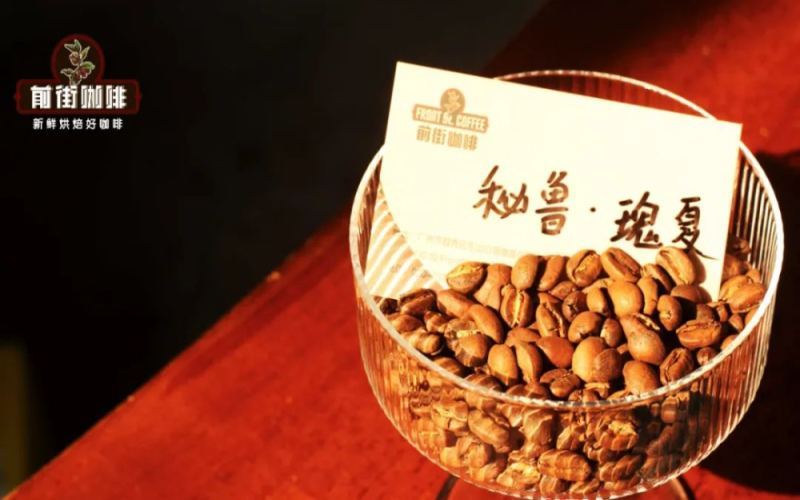
Exploring the Cajamarca Region of Peru: Flavor Profile and Industry Background of Washed Geisha Coffee
Although Peruvian coffee is not as renowned as that of Colombia or Brazil, it has risen rapidly in the international specialty market thanks to its complex flavors, mild and balanced taste, and extremely high cleanliness. As the world's number one producer of organic coffee, Peru's coffee industry has gone through a tortuous journey from colonial introduction and the large-estate model to the revival of cooperatives. In this article, Front Street will take you deep into Peru's coffee-growing regions, grading system, and processing methods, with a special focus on the northern specialty region of Cajamarca, analyzing its white floral, prune, citrus, and black tea-like flavor profile through a cupping experience of a washed Geisha. [more…]
Tanzania Kilimanjaro AA Coffee Beans: A Detailed Guide to Variety Origins, Grading Standards, and Cupping Flavor Characteristics
Kilimanjaro AA is the most representative top-grade bean among Tanzanian coffees, and also the starting point for many coffee enthusiasts to get to know this East African producing country. This article systematically sorts out the cultivated varieties, historical origins, producing region distribution and harvesting rhythm of Tanzanian coffee, focuses on analyzing the grading basis and cupping performance of the AA grade, and, combined with evaluations from institutions such as SweetMarias, presents the flavor differences between the northern and southern producing regions. At the same time, the article also compiles the economic importance of Tanzanian coffee and the quality challenges it currently faces, helping readers fully understand what exactly makes this bean known as the "coffee gentleman" good, and where it is difficult. [more…]
How to drink Costa Rican Red Honey coffee beans? Hand-brew parameters and flavor analysis of Hacienda El Mirador Catuai
Costa Rica is renowned for its honey-processed coffee, and Hacienda El Mirador in the Tarrazú region is a prime example. This Front Street Coffee Costa Rica Hacienda El Mirador Red Honey Catuai comes from the Tarrazú region at an altitude of 1,750 meters, employs the red honey process, and showcases rich flavors of sweet orange, cream, grapefruit, honey, and black tea. This article will guide you through Hacienda El Mirador's growing background, the characteristics of the Catuai variety, and the features of the red honey process, while sharing Front Street's cupping experience and pour-over parameter recommendations to help you better brew this exceptionally sweet coffee. [more…]
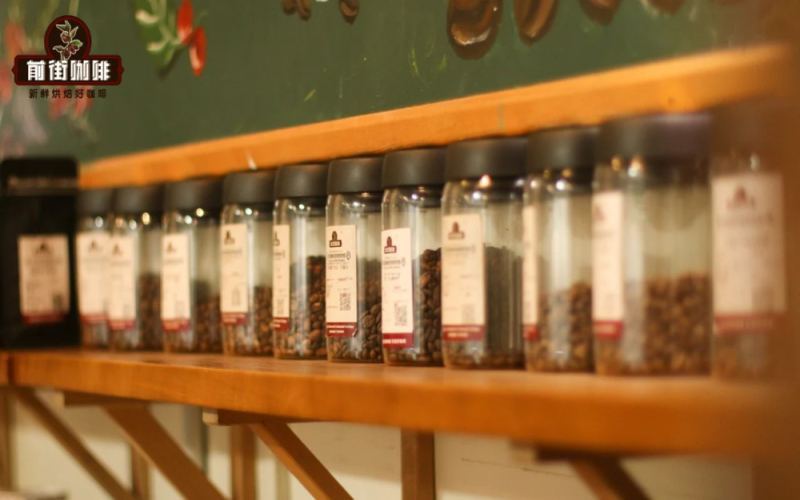
Exploring the Aroma of Starbucks Sumatra Coffee Beans: The Flavor Story of Mandheling, Acidity Characteristics, and a Review of Five Front Street Coffee Beans
Sumatra Mandheling is renowned for its full, rich body and intense herbal aroma, and has remained a favorite among seasoned enthusiasts since the rise of coffee culture. Starting from the bean list of Front Street Coffee, this article sorts through the origins, varieties, and processing methods of five Sumatran Mandheling coffees, covering PWN Golden Mandheling, Lintong Mandheling, Tiger Mandheling, Aged Mandheling, and Wahana Estate Natural Mandheling. The article details the origins and characteristics of the wet-hulling method, the evolution of the aging process, and includes Front Street's uniform brewing parameters along with flavor descriptions for each coffee, guiding you to a comprehensive understanding of Mandheling's rich charm and acidity characteristics. [more…]
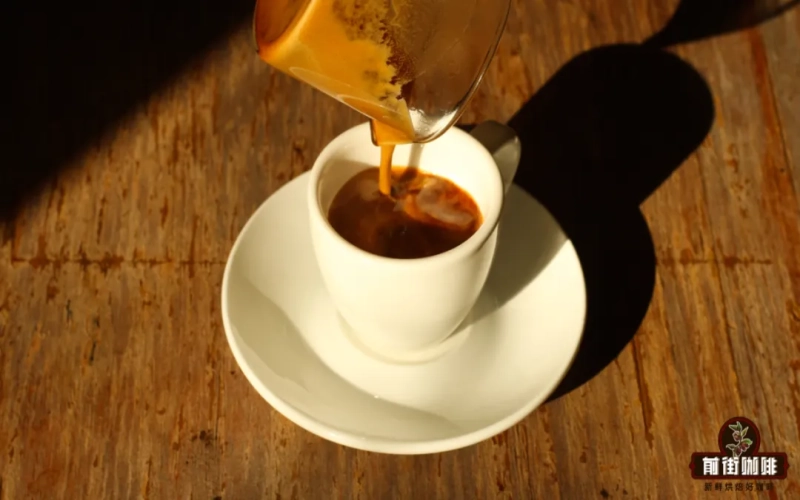
What does "shot" mean in espresso? One, two, or three? Front Street Coffee helps you understand the true meaning of 1 shot.
When ordering at a café, you often hear the phrase "add a shot," but how much coffee does this shot actually represent? It originated from the small glass of liquor in drinking culture, and after being borrowed into the coffee world, it usually refers to a serving of about 30ml of espresso. However, with the development of modern Italian-style coffee, the actual volume and caffeine content of a shot are already different from the past. In this article, Front Street will take you through the origins of the shot, clarify the differences between a single, double, and even triple espresso, and explain the true meaning of a shot under different shops and contexts, helping you more accurately understand the espresso options on the menu. [more…]
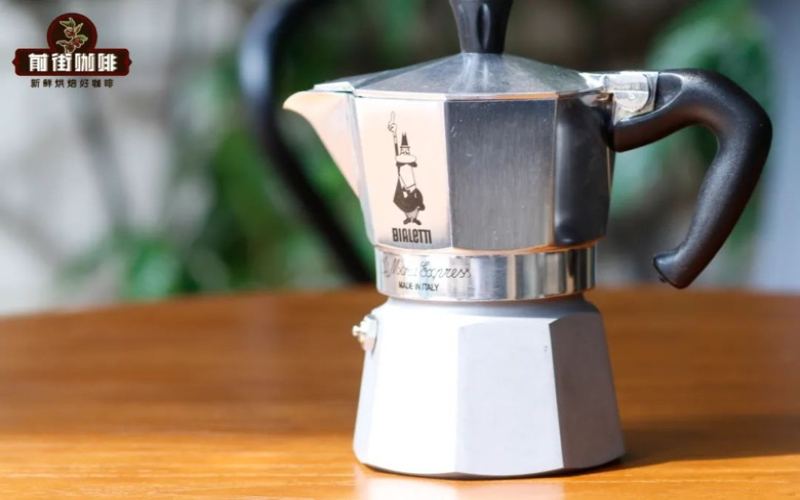
The Italian Family Moka Pot Tradition: National Coffee Culture in an Aluminum Pot
In Italy, the moka pot isn't called a gadget; it's called "the coffee machine at home." It is estimated that over ninety percent of Italian households own at least one moka pot. Every morning, millions of little aluminum pots gurgle one after another on the stove—that is the shared background sound of the nation's morning. Understand this material culture, and you can see why [more…]
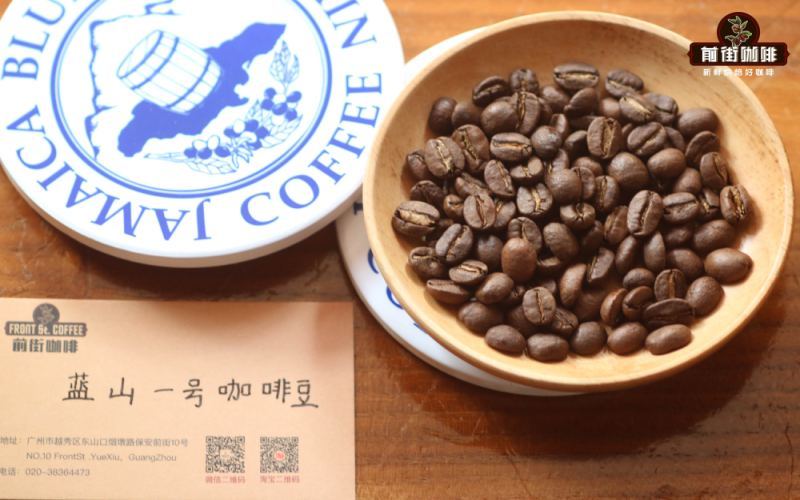
A Complete Analysis of Jamaican Blue Mountain Coffee Origins: Three Major Producing Regions Including St. Andrew, Varieties, Grades, and Flavor Characteristics
Jamaica Blue Mountain coffee is globally recognized as a representative of specialty coffee, but products labeled "Blue Mountain flavor" or "Blue Mountain blend" keep appearing on the market, while genuine Blue Mountain coffee beans must come from the Blue Mountains of Jamaica. In this article, Front Street Coffee sorts out the complete origin information of Blue Mountain coffee, including the three major producing regions of St. Andrew, Portland, and St. Thomas, the three grade classifications of Blue Mountain, High Mountain, and Jamaica, the Typica variety and the washed processing tradition, as well as the iconic barrel export method. It also introduces the Clifton Farm Blue Mountain No. 1 selected by Front Street, along with pour-over brewing parameters and flavor description. [more…]
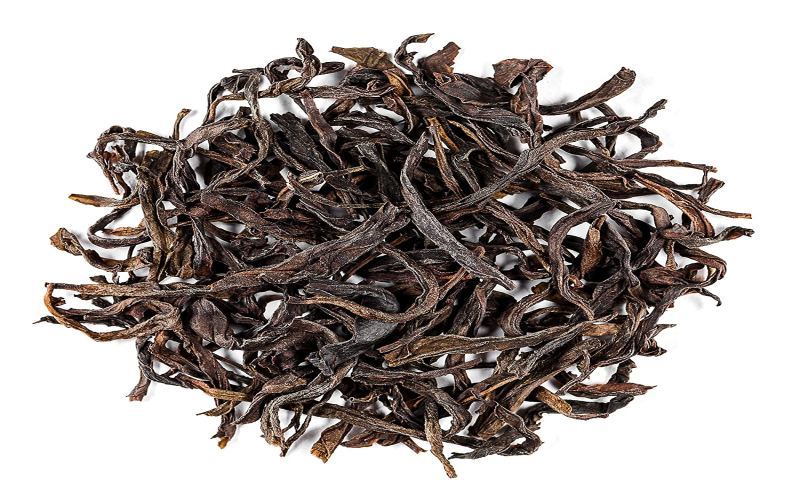
Duck Shit Fragrance Dancong Oolong Tea Flavor Analysis: Taste Differences from Honey Orchid Dancong and Buying Tips
Phoenix Dan Cong is renowned for its complex and highly variable aroma, among which Duck Shit Aroma and Honey Orchid Aroma are the two cultivars most discussed by tea enthusiasts. Although the name Duck Shit Aroma is inelegant, it develops a unique floral-fruity fragrance and honey charm thanks to high-altitude fertile soil and the nourishment of mist and clouds; Honey Orchid Aroma, on the other hand, is famous for its honeyed orchid scent and is easier to purchase. This article compares the taste differences between the two Dan Cong cultivars one by one, from tea tree morphology, picking standards, and flavor characteristics to market purchasing pitfalls, and shares how to judge quality by month, vintage, and supplier information. Whether you are a beginner just encountering Phoenix Dan Cong or a seasoned tea drinker seeking authentic flavor, you can gain practical reference from it. [more…]
Exploring New Zealand's Coffee Culture: Why Flat White Became World-Famous
New Zealand is not only famous for its wine; its coffee culture is equally captivating. Local travel itineraries often feature food and wine themes, and private guides can take you to find the best cafes in the city. If tourists are quite knowledgeable about coffee, travel agencies can even provide a detailed explanation of New Zealand coffee terminology. Among the many coffee varieties, flat white is widely recognized as a New Zealand invention, known for its lesser amount of milk and textured microfoam, and it has gained fame on the world coffee stage. Many New Zealanders and Australians go to major cities like London and New York to open cafes, which has indirectly promoted the popularity of flat white in the UK, the US, and elsewhere. Front Street Coffee believes that understanding the origin and characteristics of flat white is an important gateway to appreciating New Zealand's coffee culture. [more…]